How did you pick your field of work? What are you working on right now?
Literature has always appealed to me from my schooldays. I think literature has great emotional value. If I hadn’t done literature, I’d have become a physiotherapist.
My interest in environmental literature arose when I went to Harvard as a Fulbright scholar. The best writing in the field of environmental humanities came from Harvard at the time, and I thought, “Well, if this is a legitimate domain of study, I want to specialise in it.” I’ve come to feel that we’re all interconnected, that nature is one whole. In fact, I feel like I’m doing eco-criticism all the time, whether I’m teaching Shakespeare or looking at a tree.
My current research is about eco-criticism and the global South, and women’s writing about nature in the global South. I’ve written a few books on this topic; I even wrote a short story about a tree in one of the Chicken Soup books (whose exact title I don’t remember now). I shared space with the Dalai Lama in that book.
Which do you love better: teaching or research? Which is your favourite course to teach?
I love teaching the most, definitely. I love interacting with young nineteen- and twenty-year-olds. Every year there are new things I learn from my students. I especially love mentoring my Ph.D. students. It’s very meaningful work—guiding them with their theses, and knowing that they will also become teachers one day.
This might be strange, but I love teaching ‘Chaucer, Milton and the Bible’. I’ve been teaching it right from the beginning. No one else was very interested in teaching it so I took it up, and it’s like my baby now. It’s a challenge to keep it interesting and relevant to students.
What was your college experience like?
When I was in college, we all accepted that we wouldn’t get jobs. So we didn’t worry about it. We didn’t have the angst that you students have today. Life was very simple back then. I knew I’d become a teacher. Our course was more laid-back and, of course, specialised then. I envy you the rigour of the courses you are doing now and the interdisciplinary nature of your course.
What do you think of the MA programme and its relevance in a technical institute?
I think the humanities is very relevant. You don’t need to have the sensibilities of a humanities student to understand Chaucer or Shakespeare, I believe. Some of my best classes were those with B.Techs. I think you need useful courses like communication or writing skills, but everyone needs to learn cultural theory, literature, and such courses as well.
Do you have any suggestions for improving the programme?
I think this question should be asked to the students rather than me. But I think the department could make internships compulsory for English students and help them find internships, right from first year. Perhaps have a journalism course as part of the programme, but I don’t know, I think that might take away from some other important courses that we need.
What books/authors do you love and would recommend?
I love the poetry of Gary Snyder. I like the writings of Chitra Banerjee Divakaruni and Amitav Ghosh as well. I finished reading Look Homeward, Angel in one night and I loved it. It made me tear up. in fact, that’s what prompted me to switch my Ph.D. thesis from E L Doctorow to Thomas Wolfe.
What are your other interests apart from reading?
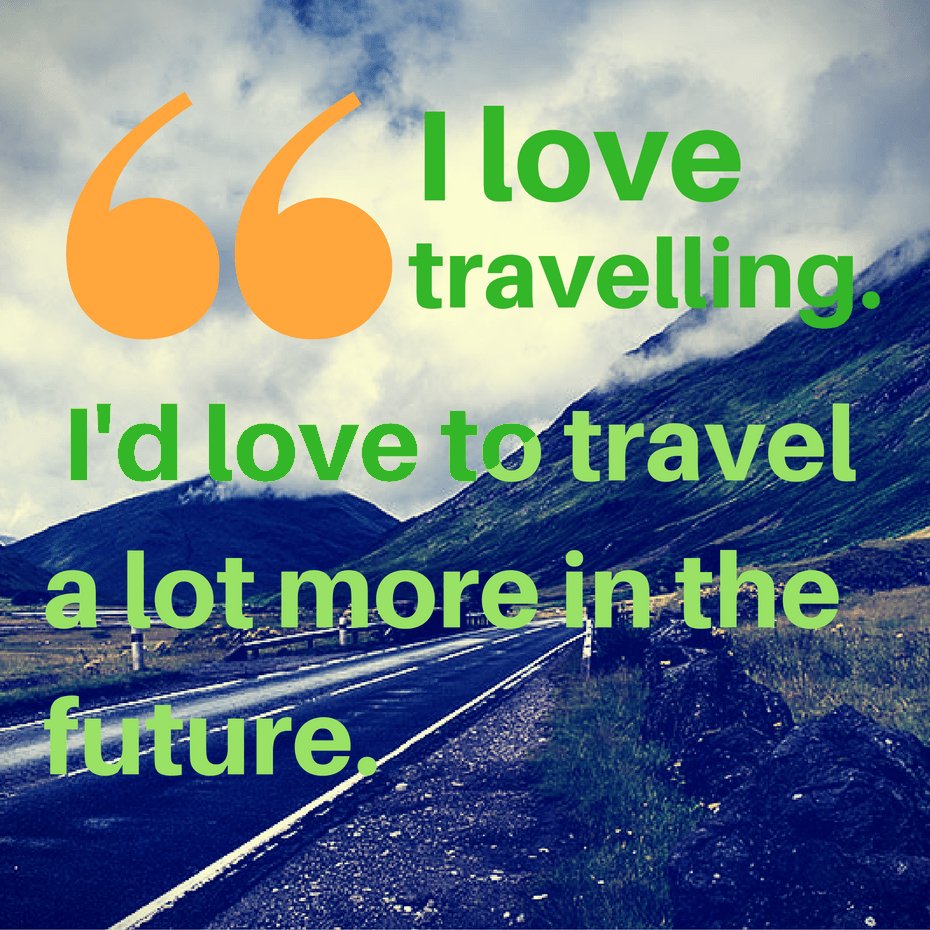
I love travelling. I’ve been to the Himalayas and I want to go to Tibet and visit one of those monasteries some day. I love travelling alone, without much baggage—and not just the physical baggage. I don’t like travelling for academic purposes. I’d love to travel a lot more in the future. I also enjoy writing fiction. In fact, a novel of mine is going to be published soon.
What advice do you have for your students?
Don’t worry too much. Live in the moment. I have many students coming to me and saying that they’re worrying and panicking about this or that. I tell to wait and it will be fine. A few weeks later, they come and say that they’ve stopped worrying about whatever they were fretting about earlier. Life’s like that. Everything passes, everything changes.
-Bhargavi Suryanarayanan.
 Article 19