
Exploring Human Capital in a Reassessment of Identity in Rural Indonesia and its Implications for the Indian Subcontinent
The Department hosted Dr Maskota Delfi and Dr Johan Richard Weintré for a talk on the 18th of October’16. The speakers were introduced to the audience by Dr Vivek Neelakantan, Post-doctoral Fellow at the Department.
Dr Weintré introduced the context of their research. Regional autonomy has given indigenous access to political power in Indonesia, namely the Dayak and Mentawai tribes. This has increased the opportunities to strengthen local education along with a rise in local purchasing power. The research aims to identify the factors for this renewed interest in Herbal Medicine, Rice-based foods and Tattoos. They also trace the historical interaction between India and Indonesia. Cultural exchange happened between the two in the spread of Buddhism as well as Islam. Influence of Sanskrit and Spices is also heavily found in Indonesian culture. The best example is the Garuda emblem of the state.
Dr Delfi said that globalisation has revitalised local identity and has added additional impetus to tourism. This results in the reinvention of cultural expressions and local customs which can be clearly observed in the Mentawai. Traditional roles like those of shamans or healers continues. Modernity is not fully rejected by the indigenous people and age-old practices allow contemporary interpretation. She also spoke about the role of tattoos in identity creation among the tribespeople. Men and women had different designs while some temporary designs were reserved for special occasions like marriage.
Dr Weintré continued the talk by providing examples of communal houses for the Taman Dayak in Borneo. He drew the conclusion that instrumentalisation of cultural heritage is taking place today wherein, culture is used as a vehicle to extract economic benefits. But the real interests of ethnic tribes are not respected. The blend of traditional culture with modern values does lead to the non-appreciation of local knowledge.
The speakers called upon India and Indonesia to work in the direction of protecting minority culture and the intangible human resource. The UN’s declaration to celebrate August 9 of every year as the International Day of Indigenous People has called for global attention in this regard.
The event was attended by faculty, research scholars and students.
About the Speakers –
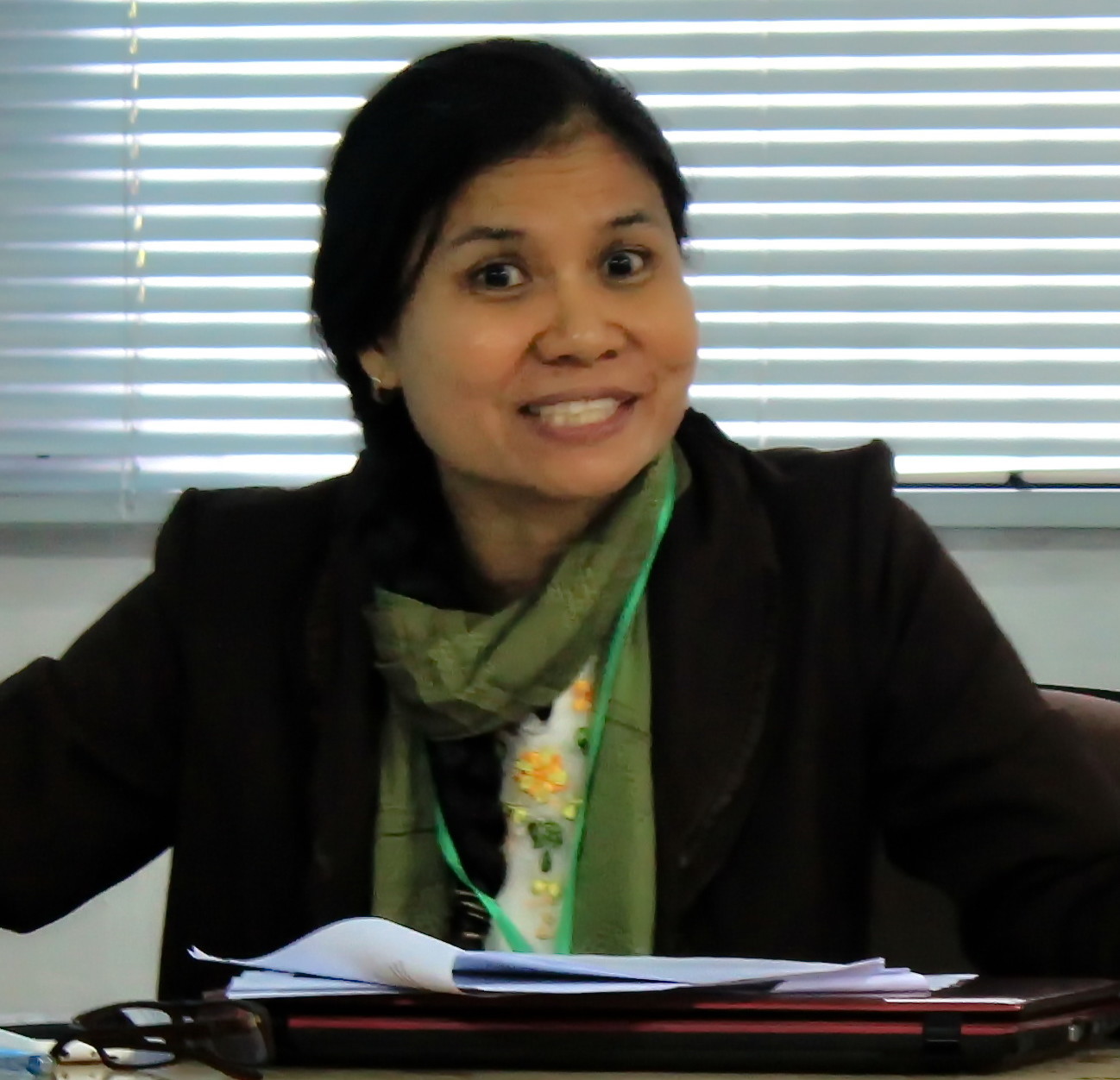
Dr Maskota Delfi is a staff member of the faculty of Social and Political Sciences at Andalas University. She has published several articles in Indonesia and in the Philippines. Her most recent presentation on Mentawai tattoos, natural medicine and food security was at the University of Amsterdam. It is scheduled to be published in a publication edited by academics at Leiden University in the Netherlands in 2017. Her particular interests are in ethno-medicine and the study of food and flavours of minority groups in Indonesia.
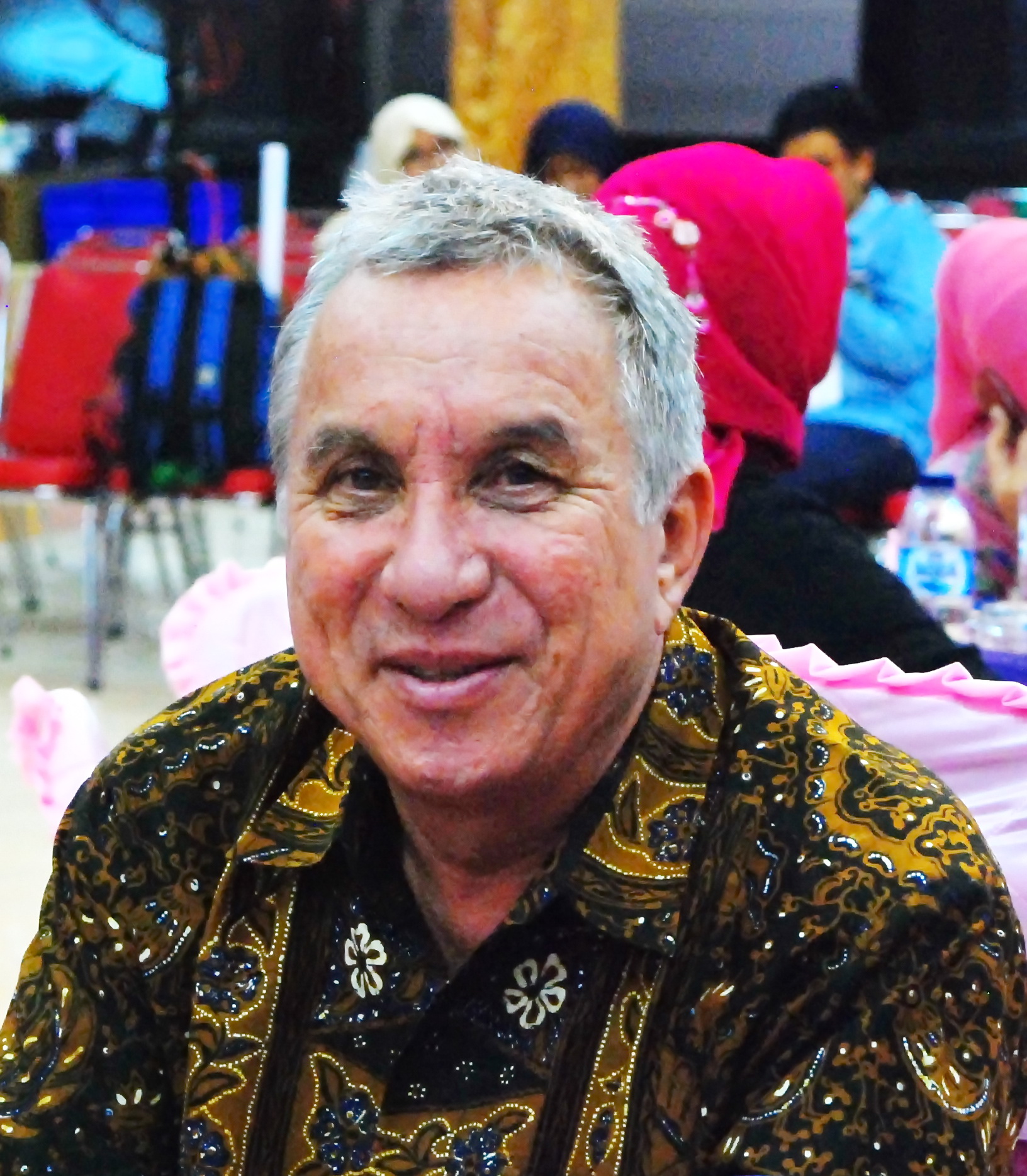
Dr Johan Richard Weintré earned his PhD at Flinders University in Australia. His research exposed the different perspectives on matters of social capital among two neighbouring tribes in central Borneo. His particular interests are in historical and social issues of population groups and their struggle for identity and share of economic activities in local environments.
– Akshay Patil
 Article 19