
The pandemic has given birth to a plethora of trends, mostly virtual, and one of the more popular ones has been the phenomenon of Thrift Shopping aka thrifting. Thrifting basically refers to shopping for second-hand, pre-loved, or upcycled items. Although thrifting has been practiced by many for several years, its resurging popularity can directly be attributed to the fact that most of us have been stuck at home for the past year, mindlessly scrolling away our lives. As thrift stores and sellers have taken to social media, most notably Instagram, thrifting has become easy and accessible for anyone who has got an internet connection. And if you’re one of the many who have never tried this before and would like to perhaps give it a go, look no further as our department’s very own thrifting gods have compiled a list of tips, tricks and more. Without further ado, here’s the beginner’s guide to thrifting!
Before – Why Thrift?
For starters, finding the right item at a thrift store is such a rare and precious experience, because you go in without any expectations and you’re never quite sure of what you’ll end up finding. And the clothes you find at a thrift store tends to be completely different and unique, unlike regular stores at the mall. Secondly, especially from the perspective of a college student, thrifting doesn’t quite burn a hole in your pocket the way regular shopping tends to do.
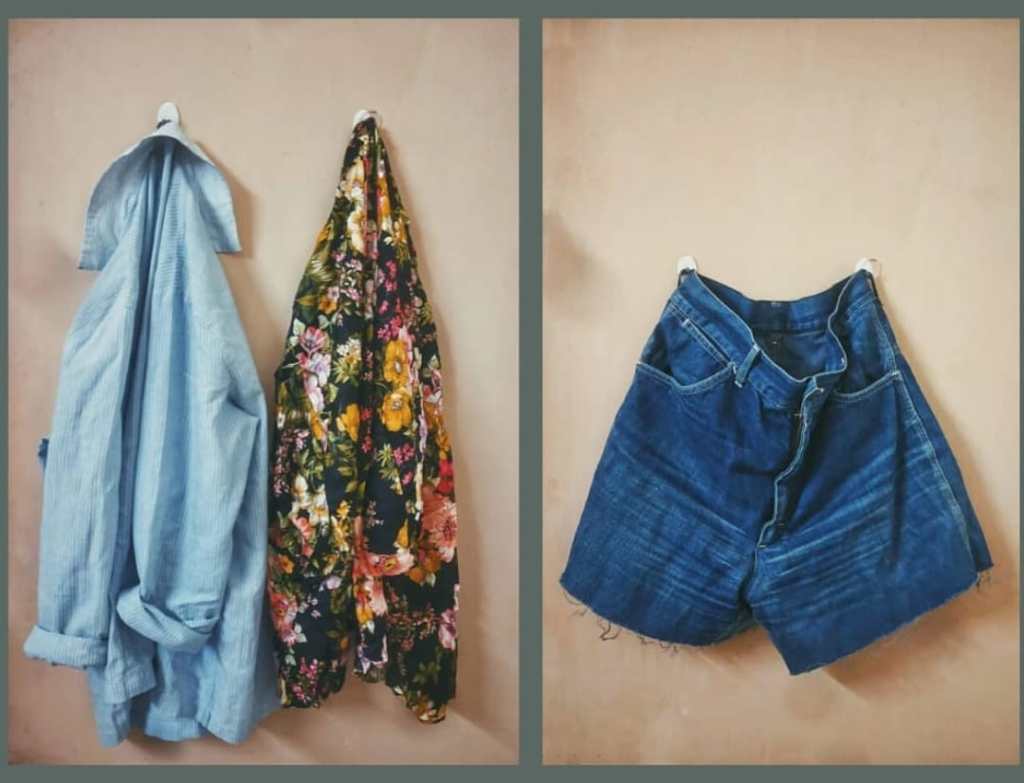
However, the most important factor is that thrifting is environment friendly and helps to reduce the impact of the fast fashion industry. It’s important that you get into thrifting for the right reasons, i.e. to reduce consumption, rather than to follow yet another Instagram trend. With the renewed popularity of online thrifting, thrift stores have started following ‘seasons’ similar to the fast fashion industry. Considering the fact that most pieces found at thrift stores tend to be unique, when one gets too invested in following all the big names among the online thrift stores, FOMO can set in. This leads to overconsumption, and you may find yourself waiting for new releases, following countdown timers and so on, which pretty much defeats the overall purpose of thrifting.
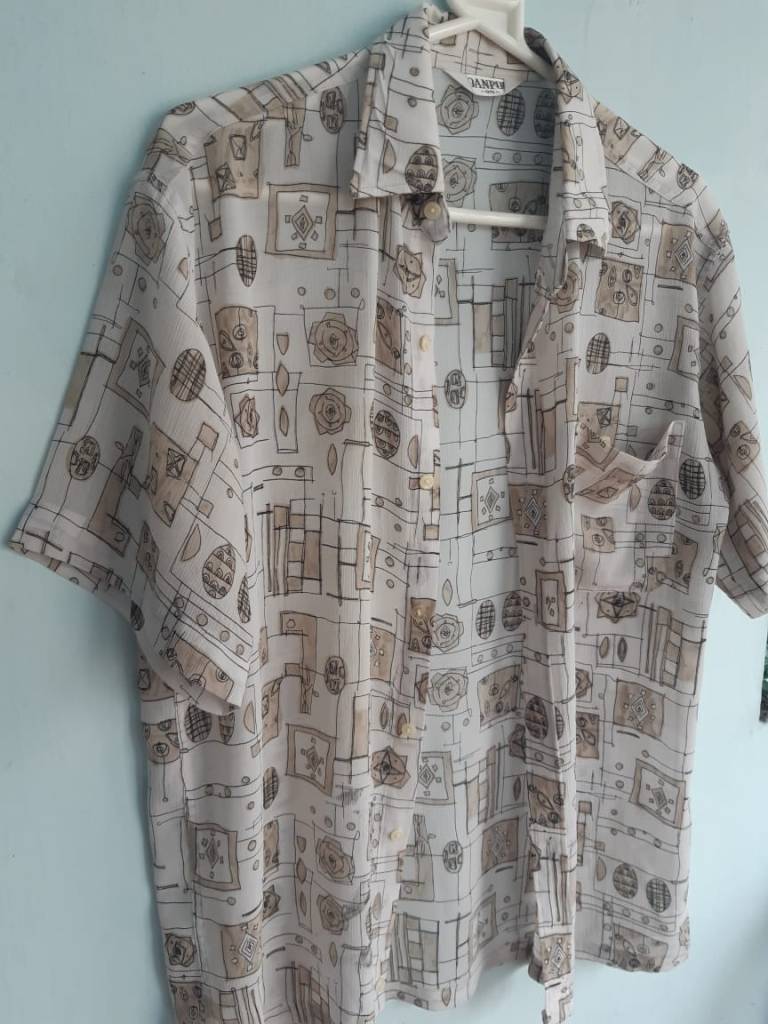
The end goal is to reduce consumption and your carbon footprint, therefore, the first question you need to ask yourself before you check out thrift stores (online or offline) is if you genuinely need anything. If the answer is yes, try to have a solid idea of what you’re looking for so that you don’t end up scrolling away the next four hours and getting distracted by every new account that the algorithm suggests.
DURING
If you do decide to thrift, the next important step is to ensure you have a good experience and that you don’t accidentally get scammed. A pro tip at this point would be to directly contact the seller once you find something you like. Always, always, always ask for more pictures (especially zoomed in pictures) than what is publicly available to ensure quality. Be on the lookout for tears, stains and so on. Some thrift stores may not actually be selling second-hand/upcycled clothes and could be resellers, so try to look for tags and keywords(pre-loved, upcycled, thrifted), and talk to the seller directly to confirm. When you’re looking at stores that have 5k+ following, a lot of the items may get sold out quickly, If you’re thrifting offline, it is advisable to wear masks and gloves as not all stores take care of sanitisation.
AFTER
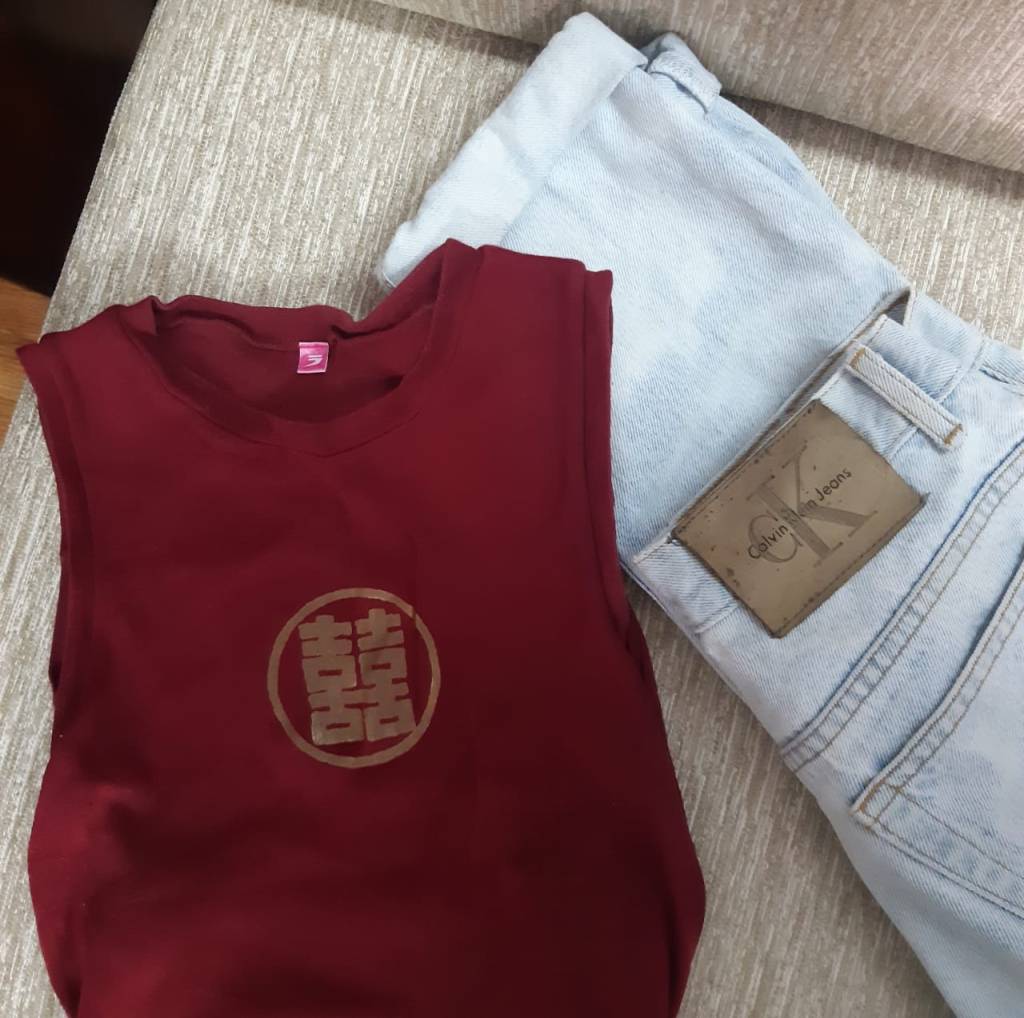
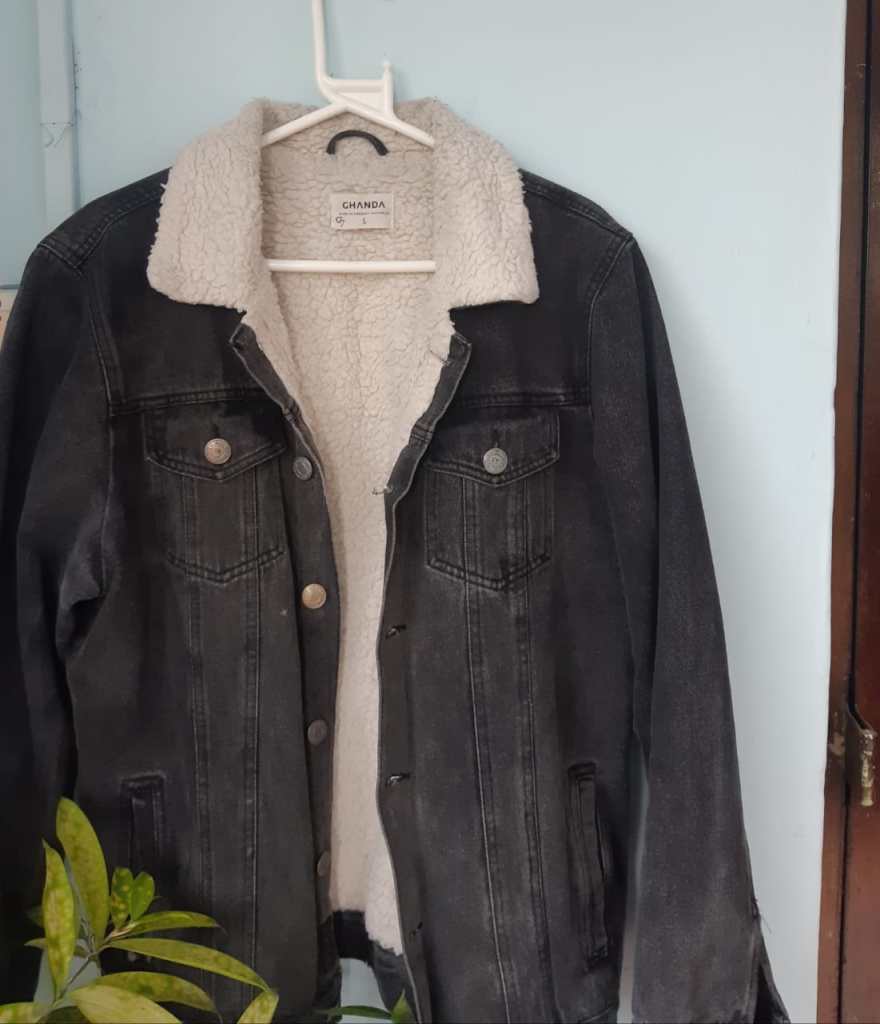
The first thing to do once your item arrives is to wash them in hot water. Adding salt while washing is recommended, although you need to make sure you rinse it out before you dry. And lastly, don’t forget to thank your seller! Posting and tagging small thrift accounts also helps the sellers, and it can get more people to try thrifting.
These are some of the basic tips to ensure that you have a good thrifting experience when you’re just starting out. Read on to find out how Avi and Sanjana started thrifting before it was cool and check out their recommendations!
Thrifting Before It Was Cool

Avino: Thrifting, for me, goes back to my childhood. It was my mom who introduced me to thrifting. In Nagaland we usually have Friday bazaars or flea markets where goods come in from different countries- Korea, China, Thailand. There are a variety of second-hand goods including clothes, bedsheets, curtains and so on, sold by multiple sellers. My mom used to pick clothes for me from these markets when I was a child. Back then, I wasn’t conscious of the fact that these were second-hand or thrifted and I didn’t quite realize their value. And at that time, sustainability was not perceived as a trend the way it is now. During my school days I used to get complimented on my outfits because they were different from what others wore. And so eventually, by 10th grade or so, I started actively thrifting on my own. And it’s been really fun, and I definitely enjoy offline thrifting more although online is very common now.

Sanjana: My thrifting journey is somewhat similar. I also got introduced to thrifting by my mother. I used to buy a lot of my clothes from these export-surplus places in Bangalore. Again, I used to get asked where I got my clothes from because these used to be pretty unique. I got a pretty odd reaction when I told them where I got my clothes from, because like Avi mentioned, thrifting was not exactly popular back then. So yes, I’d always had that connect to thrifting, but on my own I started actively thrifting after I became aware of the sustainability aspect. When I was around 16-17 basically, I learned about the problematic impact of fast fashion and started looking for alternatives. I mostly started thrifting online because, in Bangalore, the onground thrifting scene is pretty much nonexistent.
Thrifting Scene in Chennai?
Is also sadly non-existent. The one store Avi and Sanjana could find once upon a time when they were at insti turned out to be a sad old place in the middle of nowhere. In fact, the first time they got there, they couldn’t find the place. Nevertheless, they persisted and tried again and found the tiny little thrift store that makes up about 100% of Chennai’s offline thrift scene. Would they recommend it? Not really.
On the bright side, online thrifting has definitely improved over the past year and has made thrifting easier, no matter where you are.
Sanjana’s Favorites:
- @ethereal.closet
- @ikigai_thrift
- @shop.retrodays.in
Avino’s Favorites:
Unisex Thrift Accounts:
Lastly, remember that there is a difference between having to thrift and choosing to thrift. If you belong to the latter, thrift wisely.
 Article 19