
–Aishwarya VS
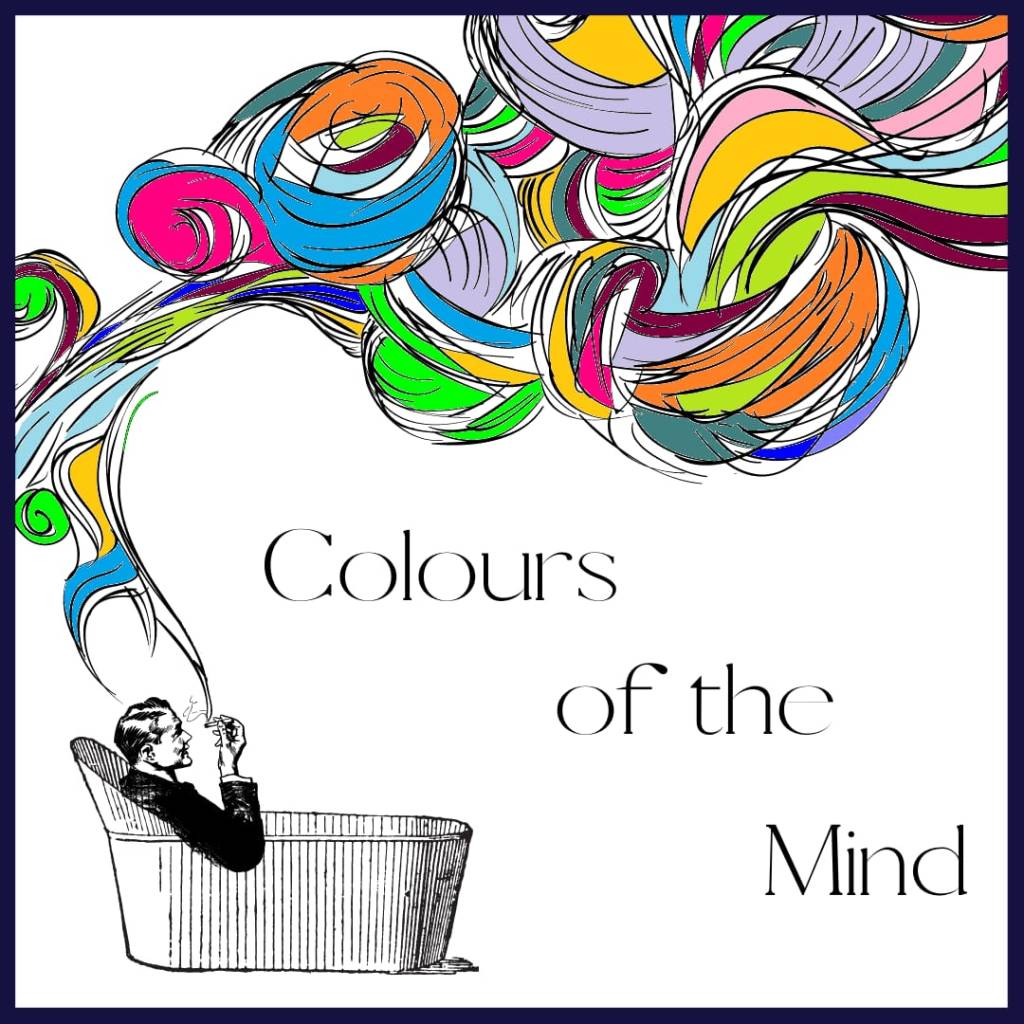
It’s shivering cold, and I wrap a blanket around my little shoulders to walk into the kitchen. I can see the misty mountains through the four-part wooden door to my side. Achayi (Dad) is sitting on the creaky bench, writing something. No, drawing. As I drowsily peek over his shoulder, I see a splash of colours, pencil flowers, beautiful crayon shavings and a neat drawing. Along with my cup of black tea, he hands me over the drawing.
Tiny doodles of stick figures, mountains, huts and flowers drawn with mini crayons, greeted my mornings since then. Every day, a slightly different picture. A house or two more, some new birds, a well here, a pond there and a lot of different colours. The five-year-old little me may have found the details quite intriguing, and the sense of excitement and joy that came along with the colourful mush was immeasurable.
I think I’ve always loved colours, maybe more than words, for every colour is unique and every shade magical. Colours have always made much more sense than words for me. While words tend to be elusive in their meaning, colours speak volumes about anything and everything. Every emotion, every thought, every incident and every place has a colour of its own, as Vairamuthu suggests in his very aesthetically pleasing song ‘Pachai Nirame’, Alaipayuthey (2000). Be it the little reds of anger, love and passion, the deep blues of serene, bright yellows of warmth or cold blacks of peace. Of course, these meanings change for every person for every colour, and every essence attaches itself to the reader and is unique to their interpretation. It can never exactly be the same for two people, for it is undefined, unbounded and ambiguous.

The same is true for movies with their beautifully made shots of intense and magnificently wild frames. The bright blue skies radiating hope and warmth, the calming, often mysterious greens of loneliness or the numerous bridges, roads and train tracks symbolising the crossroads of life, the still blue waters of the seas and the journeys that lie ahead are just a few recurring frames that stick to your mind, sets the stage for the story. But interestingly they often end up engulfing one from within.
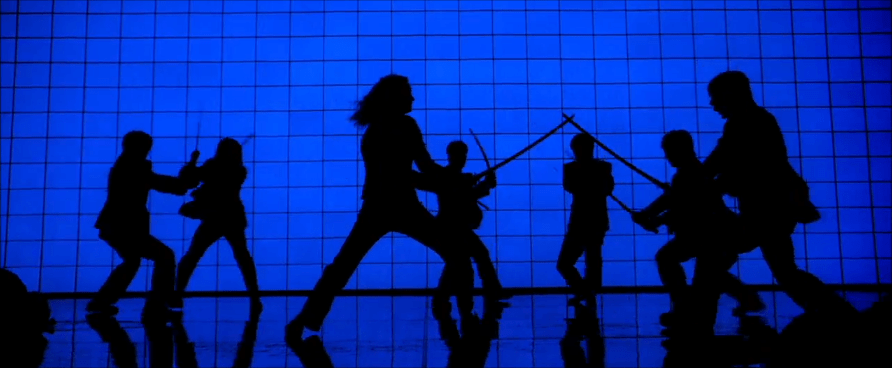
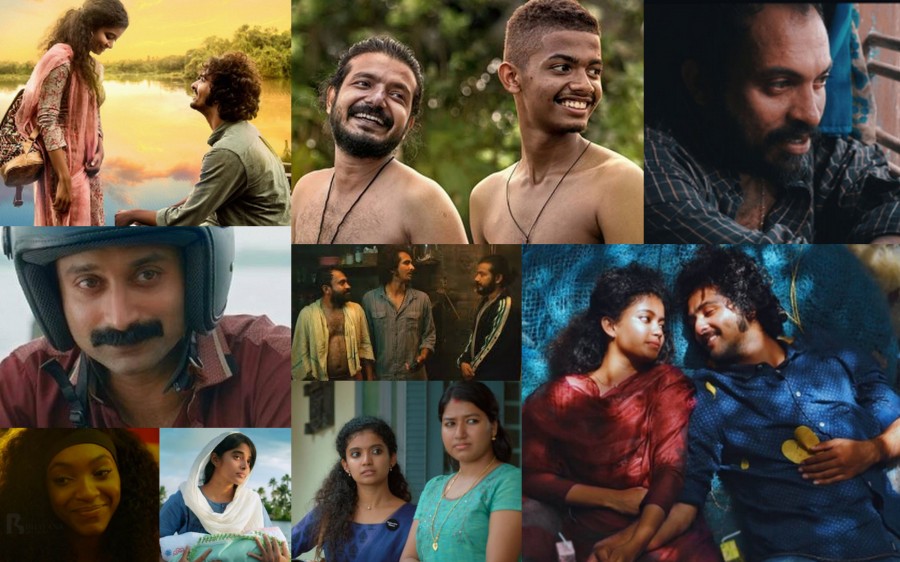
Different frames seem to be set in different times; they look at life from different angles and create different moods in their receiver. While the raw, rusty landscape of Vada Chennai (2018) and Gods must be Crazy (1980), the mesmerising blue-green frames in Kumbalangi Nights(2019) or the fiery sun-kissed life depicted in Mustang (2015) depicts or imitates life; the splash of colours in Kill Bill (2003), the mystical shades in Charlie (2015) or Life of Pi (2012) tends to extend to the realms of the fancy and the fantastical, the one that is embraced by dreams and imagination. Much like a portrait or any painting for that matter, each frame has a lot to say.
Even the monochrome ones from ancient tales or simple shots of a few minutes have the potential to reveal the spirit of the story. As the sisters from Mustang lie cuddled on the floor looking at each other and the sun kissing their heads through the lone high window is one such shot that seems to capture the essence of the entire film. It shows their love, their doom, desperation and desire for freedom. So is the case in Kumablangi. Be it Saji and Bobby crying their hearts out or Franky lying below the cool black sky searching for some hope to hold on to life. The lake and its waters become metaphors for their life, tumbling and bending along routes yet flowing as one in its course. The sorrow, tranquillity and acceptance all merge together to add to its unique yet universal character.

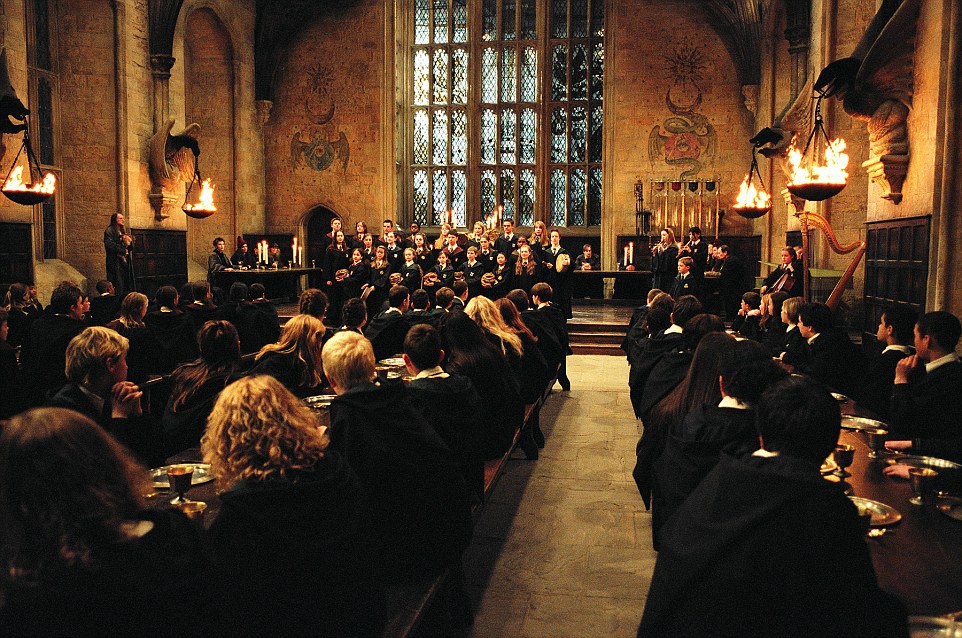
Often entire movies may have a single colour theme. For example, The Harry Potter series seems to have a darker colour theme to add to the mystical, paranormal setting while the movie adaptation of the Jane Austen classics such as Pride and Prejudice (2005) has a different colour scheme to denote the old Aristocratic ways of life and so on. The dim but pleasant colour scheme stands for elegance and becomes a depiction of the particular class. The colour adds to the age, a sense of superiority and form to the visual content. This is true for any frame, as each adds meaning in its way.

However, when one thinks of a movie, it’s one shot or a single frame that comes to the mind, one that represents what the movie has been for anyone, one that stays with you like a painting. When one says the name Pride & Prejudice, it’s Lizzy meeting Darcy in the fields in one of her early morning walks that comes to my mind. You say, Kill Bill, it’s not Bill, but Uma Thurman or The Bride fighting her way back that plays in one’s head and what better image than Aziz riding on his horse in his search for himself to represent Mucize (2015). The colours, the light, the frames, the music, it all contributes to making that shot special and memorable. Like the magical hand of light that gives colour to every new leaf and flower, the magic of every shot, every frame adds colour to life, and no matter what the image, it speaks to you, reminds you of things, of people and may even become a part of you. Or you may not feel any of this, for it could just be my crazy mind, spinning tales and making my own meanings of colours.
Design by Shatabdi Deori
Edited by Madhumita R

