
“Hip hop music is the first art form created by free black men. And no black man has taken advantage of his freedom more than Kanye West,” declared the American comedian, actor, and filmmaker Chris Rock, introducing Kanye West a few years back during a Wyoming listening party for Kanye’s album “Ye”. For those confined within the enclosures of the Platonic idea of “The Cave” and unfamiliar with the personality in question, allow me to enlighten you on who Kanye West is. Standing as one of the most eminent American rapper, record producer, singer, songwriter, and fashion designer, renowned as the preeminent hip-hop artist with the highest tally of Grammy Awards, gracing the annals of Rolling Stone’s list of the “100 Greatest Songwriters of All Time”, with his collaborative ventures extending beyond the realm of music, intertwining with corporate giants such as Nike, Louis Vuitton, Adidas, and more, Kanye is what one might consider to be the embodiment of a free black man in a somewhat free society. His Achilles’ heel? His outspoken nature.
Throughout his career, Kanye has held extremely contrarian and controversial views which are often severely ignorant, unintelligent, and woeful, regarding a plethora of social and political subjects. So, how does one separate Kanye’s music from his political commentary, and continue to revile him for his perspectives while admiring his music? Believe me when I say that I would love to follow through on that, but understanding Kanye’s music is insufficient without delving deeper into its political consequentiality.
Kanye West’s debut album, “The College Dropout” features compositions like “All Falls Down”, which explored themes of consumerism, societal expectations, and the relentless pressure to conform. Moving to his magnum opus, “My Beautiful Dark Twisted Fantasy”, the resonant track “Power” delves into profound reflections on power dynamics, race, and West’s intricate navigation of authority. Venturing into my personal favourite of Kanye’s album, “Yeezus” incorporated track “Black Skinhead”, a fervent exposé on race, discrimination, and the artist’s unrestrained resistance against societal norms, along with the track “New Slaves” which confronted the entrenched issues of racism, mass incarceration, and the commodification of black bodies, laying bare the institutionalisation of racism and the prison-industrial complex.
The presence of such a remarkable chronicle of artistry composed by Kanye makes it impossible for one to distinguish Kanye’s socio-political commentary with his work. But should Kanye be allowed to continue producing his art whilst fabricating irresponsible and dangerous socio-political comments from a position of influence?
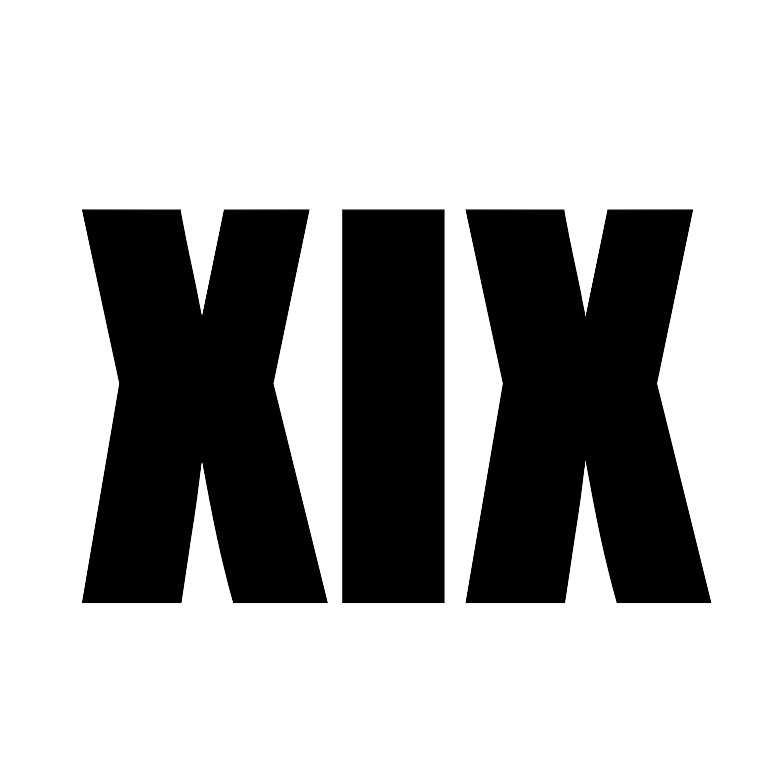
Simply phrased, yes. Article 19 of the Universal Declaration of Human Rights states, “Everyone has the right to freedom of opinion and expression”, and as such, Kanye’s freedom of expression encompasses every comment he has made, irrespective of their imprudence and recklessness.
Do not misconstrue my aforementioned statements, for I do not, in any manner, aim to exonerate Kanye’s unhinged-ness. Kanye’s ineptitude in being able to understand and articulate a genuine and appropriate opinion regarding any convoluted subject is something he must face the consequences for. Kanye’s viewpoints on subjects such as LGBTQ+ rights, or capital punishment are dense, his viewpoints regarding subjects such as economics or abortion, are simply abominable. His antisemitic statements resemble those of prejudiced redneck, and his undying egocentric behaviour resembles those of modern generation Instagram influencers. Kanye is a man who can be hated by all there is, and all there has been.
Yet, presidential criticisms regarding a musician just provides Kanye with the political legitimacy he desires to empower and calls for travel bans from ministers of powerful countries over his views is as tyrannical and despicable as conceivable. Writing for Financial Times, Jo Ellison authored an article titled, “Kanye West and the age of the unmanageable”, where she elucidated that “unmanageability is the new world order”. But Kanye West is neither Putin nor Hamas, he is neither a world leader nor a diplomat. Kanye West is a product of capitalism, one who has risen through the ranks of society by producing music attractive to consumers allowed to exist through market forces. Fighting in the monopolistic market of hip hop, Kanye’s creation stands irreplaceable and as long as he continues to create, one can expostulate his views while listening to his music, and ideally, on moral grounds, no government should prohibit the free citizens of the world from doing so.
As such, does Kanye West bear any repercussions? Undoubtedly. Branded as “the wealthiest Black man in U.S. history” by Sky News in 2021, Kanye now commands a net worth diminished to less than a quarter of his former self. Noteworthy partnerships with companies like Adidas and Gap have been severed due to his controversial statements, despite substantial financial setbacks in the respective company revenues. The once Prime Time luminary has descended to interviews with platforms like InfoWars as a stark testament to his waning popularity.
For those skeptical of the adequacy of the consequences Kanye faced, consider the man’s recorded missteps throughout his years in fame. From hitting a pole while walking on a street to the infamous VMAs 2009 incident; factor in his contentious indication of slavery being a choice, and his perplexing associations with far-right figures such as Candace Owens, Kanye West’s consistent conduct and actions in regards to subjects beyond his comprehension, command or jurisdiction should serve as ample reason to withhold serious consideration of any of his opinions (except when they manifest as lyrics of his musical compositions).
Like Picasso, Escobar, and Paul before him, Kanye’s creation will be debated, and his legacy disputed. Kanye once stated that he wants “to be forgotten”, claiming there is ego in memory, and that ideas such as the sidewalk, traffic lights, or the stop sign are ‘ubiquitous’, whose creators are forgotten. In his view, a profound concept is synonymous with a “God idea” and he asserts that this should serve as the benchmark for evaluating his work. This philosophy sets Kanye apart from the ordinary individual and serves as a vindication for the lifetime devoted to crafting his art. But I’m not here to persuade you into embracing Kanye’s music, rather my aim is to offer rationales for allowing its existence, which I perceive I have provided satisfactorily.
And if you’re not convinced yet, take a roach, roll a goddamn paper and halfway through Yeezus, I promise, you are “Bound 2” fall in love.
Edited by S Santhosh Mohan & Garima Sane
 Article 19